How One Mining Company Improved Drilling Data Management by Moving to the Cloud
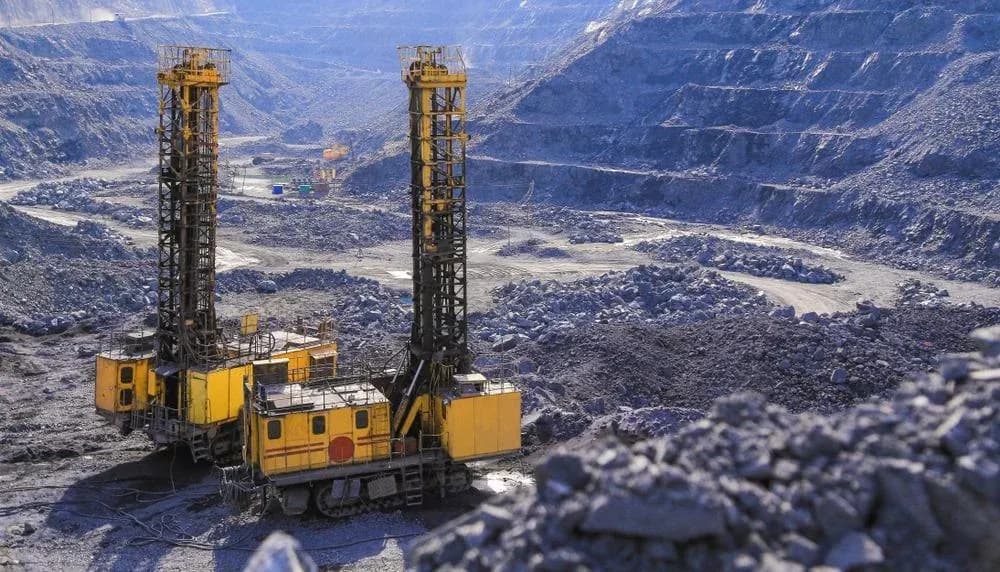
Discover how one mining company modernised drilling data management with a cloud-based platform, improving data access, reducing IT complexity, and creating a scalable foundation for growth.
Managing exploration and operational data across multiple locations is a common challenge for mining companies. As drilling programs grow, organisations often find themselves managing multiple databases, servers and disconnected systems that make accessing trusted information increasingly difficult.
A mid-tier gold producer addressed these challenges by migrating its drilling data management platform to the maxgeo cloud environment, creating a connected, scalable and efficient way to manage geological data across its operations.
Why are mining companies moving data to the cloud?
Before migrating to the cloud, the company maintained multiple database servers across several offices and operational sites in Australia and Canada. While functional, this approach increased infrastructure complexity, consumed valuable IT resources, and made it more challenging for users to move seamlessly between exploration and operational projects.
By consolidating its databases into a single cloud-hosted environment, the company established a single source of truth for geological and operational data. Users could access multiple projects through one central platform without the overhead of maintaining separate infrastructure.
How does cloud migration improve access to geological data?
One of the most significant benefits of cloud migration was improved accessibility.
Previously, employees required specialised hardware or complex network configurations to connect to exploration databases. After migrating to a cloud-based platform, authorised users could securely access geological and operational data from the office, site or field using the same centralised environment.
This improved accessibility enabled exploration and resource teams to:
- Access current geological data quickly.
- Improve collaboration across projects and locations.
- Reduce delays caused by disconnected systems.
- Work from consistent and trusted information.
For organisations managing drilling programs across multiple regions, centralised cloud access helps ensure technical teams can make decisions using accurate, up-to-date data wherever they are working.
How does cloud migration reduce IT overhead for mining companies?
Moving the data management solution to the cloud simplified infrastructure management across the business.
By replacing multiple physical database servers with a cloud-hosted solution, the company reduced ongoing maintenance requirements, simplified software updates and improved overall system reliability.
Rather than spending time managing infrastructure, IT teams can focus on supporting the business and enabling new capabilities.
As programs expand, cloud infrastructure also provides greater scalability, allowing organisations to add users, projects and storage without investing in additional on-premises hardware.
Why it Matters for Mining Companies
Cloud migration is about far more than replacing existing servers.
A modern cloud-based geological data management platform enables geology, exploration, mining, and corporate teams to work from the same trusted dataset. This reduces duplicate information, strengthens data governance and improves visibility across the business.
Rather than maintaining disconnected databases, mining companies benefit from:
- A single source of truth for geological information.
- Improved data quality and governance.
- Better collaboration between office, site, and field teams.
- Faster access to exploration and operational data.
- Greater scalability as projects grow.
- Reduced infrastructure complexity.
These improvements create a stronger foundation for operational efficiency
How did users respond to the new platform?
The transition was well received, with early adoption driven by technical users who quickly embraced new reporting and quality assurance tools.
As teams became familiar with the new platform, they began providing feedback that has helped refine workflows and improve day-to-day data management processes.
This collaborative approach ensured the platform continued evolving to meet operational requirements while increasing user confidence in the organisation's geological data.
Why is cloud-based exploration data management a long-term investment?
For many mining organisations, moving to the cloud is more than replacing existing infrastructure, it's about creating a foundation for future innovation.
With a modern cloud-based data management platform, companies are better positioned to take advantage of automation, enhanced reporting, improved collaboration, and ongoing software enhancements without the complexity of maintaining legacy infrastructure.
As one senior database administrator involved in the project explained:
"Moving to the cloud has simplified the way we manage our data. Instead of maintaining infrastructure across multiple locations, we now have a single environment that's easier to manage and provides better access for our teams."
What this means for mining companies
As mining operations become increasingly data-driven, cloud-based exploration data management is becoming a strategic business capability rather than simply an IT improvement.
For organisations looking to modernise exploration data management, cloud-hosted platforms offer a practical pathway to improving operational efficiency while creating a scalable foundation for future growth and digital transformation.